










Words by: Caelan Foye
Photos by: Chris Dane German
After reading every article and watching every YouTube Short, Instagram Reel and TikTok under the sun, opinions on the status of the so-called “Super El Niño” are all over the map. So, naturally, we are adding our own prediction to an already oversaturated conversation.
It’s the end of fall, and most skiers and snowboarders not already on a mountain peak are eager to get up on the lift and down the hills. Powder days have become constant thoughts in their dreams and daily lives. Meteorologists are on the same page, because they are watching a climate pattern that could shape the winter ahead: El Niño.
What Is El Niño and How Does It Affect Ski Season?
In case you didn’t know, an El Niño is when sea surface temperatures in the equatorial Pacific Ocean are warmer than average. In fact, water temperatures in the central equatorial Pacific recently reached approximately 30.1°C, around 3.3°C above the seasonal average. We know this sounds like a distant problem in the tropics, but the warming can shift the jet stream and alter weather patterns across North America. That, in turn, changes where storms develop, how warm the air is when they arrive, and how much snow falls compared to rain.
To all of you reading this, we know the obvious question on your minds is whether it’s going to be a good season or a disappointing one.
But the answer is not as simple as “more snow” or “less snow.”
What Makes This Super El Niño So Significant?
This is not a routine El Niño. NOAA has been paying close attention to the El Niño, and its October update says the event is still strengthening. Forecasters see a strong to very strong El Niño as likely through the winter, and they put the odds of a historic one, stronger than anything on record since 1950.
Historically, strong El Niño winters have resulted in warmer-than-average temperatures for parts of western Canada and northern U.S. regions. That can mean slower starts to the season in lower elevations and below-normal snowfall in some areas. At the same time, areas further south often have wetter winters as storm tracks move further south.
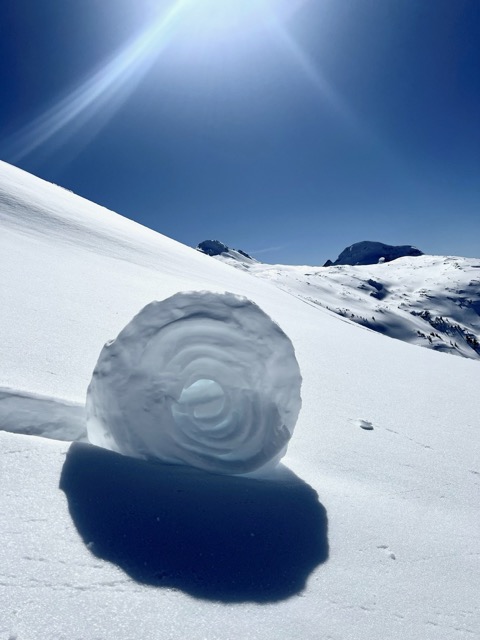
What Could El Niño Mean for Snowfall in Canada?
But as every winter bum knows, mountain weather rarely sticks to a script.
Snow conditions are affected by a host of factors, including elevation, local terrain, and individual storm systems. Even in the past, when El Niños have been strong, high-elevation resorts in British Columbia and Alberta have had memorable seasons with well-timed storms and consistently cold temperatures. Sometimes you have a week of relentless snowfall, and it can totally change the outlook.
How Could the Polar Vortex Influence the 2026-27 Winter?
In this year’s case, El Niño is not the only player in this game; forecasters are also tracking a polar vortex, which has shown signs of an unusually early disruption. A disrupted vortex can send Arctic air spilling south, and that is the kind of cold that could work against El Niño’s warmth. If it does, the two patterns could make for sharp swings in both directions. This is exactly the kind of weather ski hills need, but it is also the hardest for them to predict. Weather reports will keep coming out, and new data will be found, and all we can do is wait and hope for a powder-filled winter.
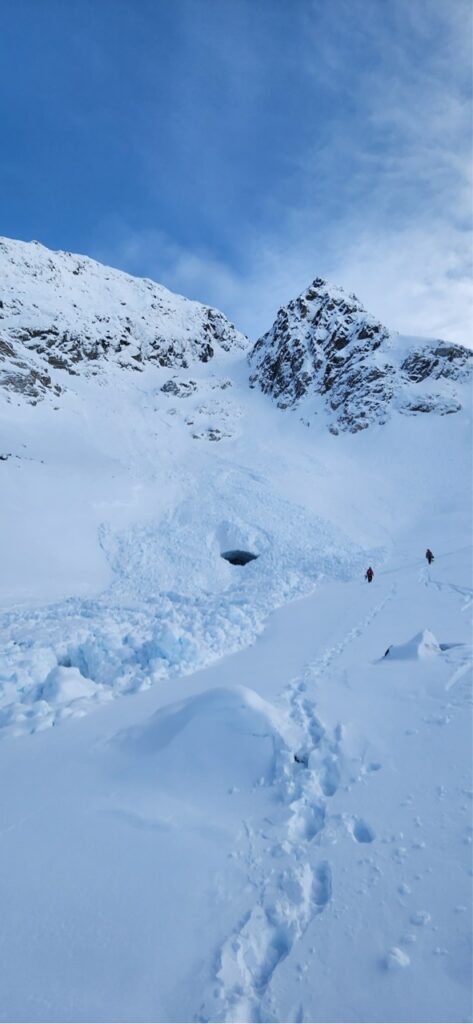
How Ski Resorts Prepare for Unpredictable Winter Conditions
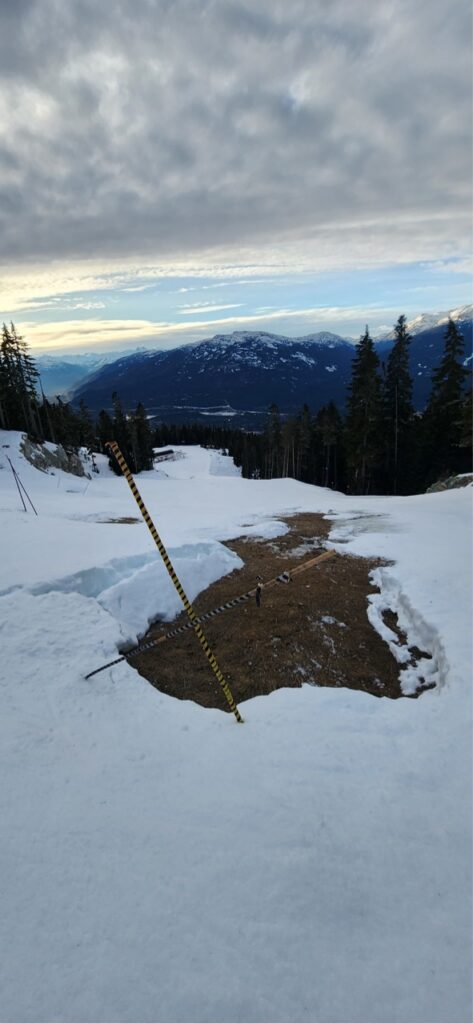
Nonetheless, resorts have been through unpredictable winters before, and they have adapted. Snowmaking has become a key part of everyday resort operations and a huge part of getting an early-season base when Mother Nature is slow to cooperate. When temperatures take a dip, even if only momentarily, snowmaking crews can turn a marginal start into a skiable one. Expect some resorts to start with the necessities and build from there as conditions change.
The folks at SBC are always ready to see what winter has in store for us, and in the end we know whatever Mother Nature provides will be enough for us to have a memorable season in any shape or form. We all are hoping for a powdery season but are ready for the usual random weather patterns to come. Living in the unknown is what makes a great season even better when it happens because you were never expecting it. We are excited to see and hear all the stories from around the world and even more so happy to produce some content to keep everyone on their toes, ready to hit the slopes.

Why a Super El Niño Doesn’t Guarantee a Bad Ski Season
With all that in mind, seasonal forecasts should be seen as a guide, not a guarantee. El Niño tilts the odds toward certain weather patterns but does not say how a winter will play out exactly.
As the freezing months approach, skiers and snowboarders will be watching forecasts just as closely as meteorologists. One thing is certain: whether this El Niño brings a normal snow year or a surprise powerhouse, the season will not be decided until the storms start rolling in.
Until then, wax the skis, tune the board, watch the forecast, and get stoked to hit the slopes. Winter always seems to sneak up and surprise everyone.