










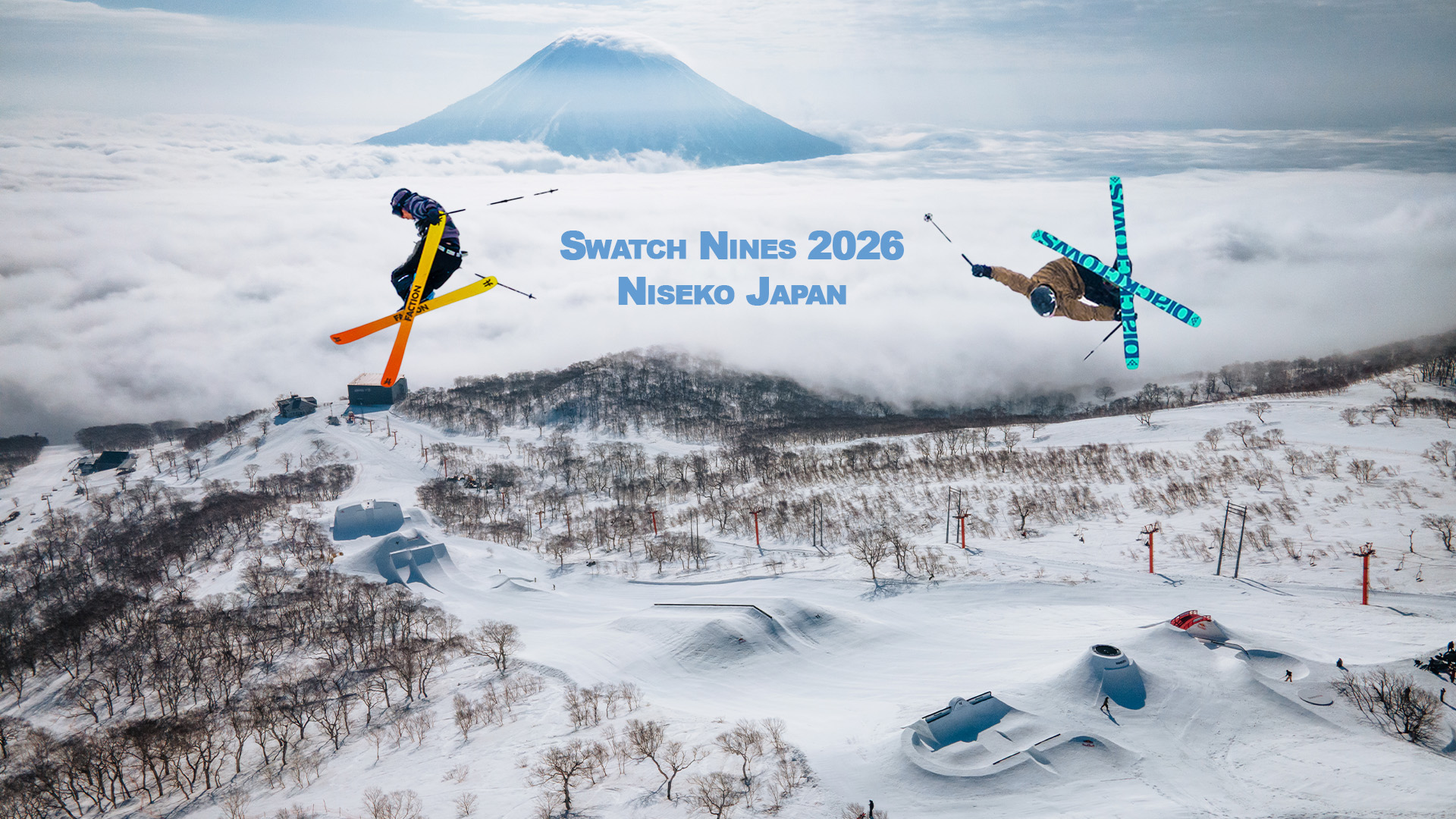
Swatch Nines 2026 marked the event’s first trip to Asia, with Niseko, Japan hosting the iconic park shoot on the northern island of Hokkaido, its debut in the region after 18 years. Japanese ski resorts are known worldwide for their deep powder, but Niseko stepped up in a big way, delivering not just world-class facilities, but a truly next-level stage for one of skiing and snowboarding’s most creative events.

For the uninitiated, Swatch Nines isn’t a competition, it’s a five-day park shoot. A gathering of some of the best freestyle skiers and snowboarders on the planet, all brought together to push progression, style, and creativity on a custom-built, supersized setup. The goal isn’t medals, it’s moments. And the amount of content generated over the week is always staggering.
This year’s course was no exception. Designed with direct input from top riders, including Swatch Proteam athletes Jesper Tjäder and Kaishu Hirano, the setup pushed into new territory. Highlights included the largest skate-style pavilion the event has ever built, a 50-metre rail, the longest in Nines history, a massive big air jump, and a progression-focused quarterpipe built for riders looking to go try out new tricks on an unconventional QP design.
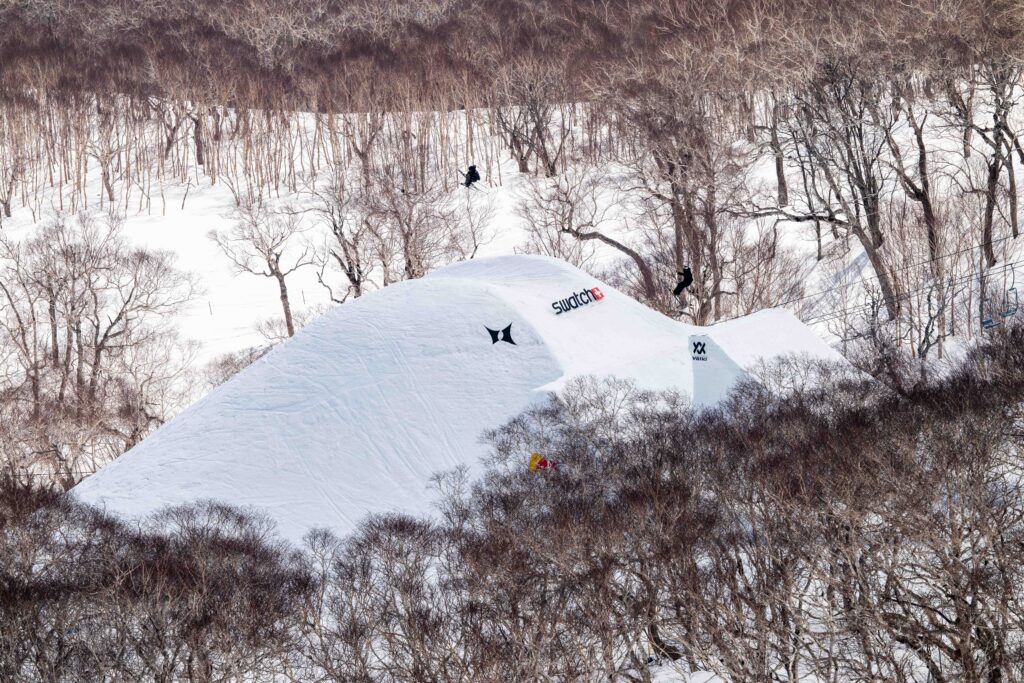
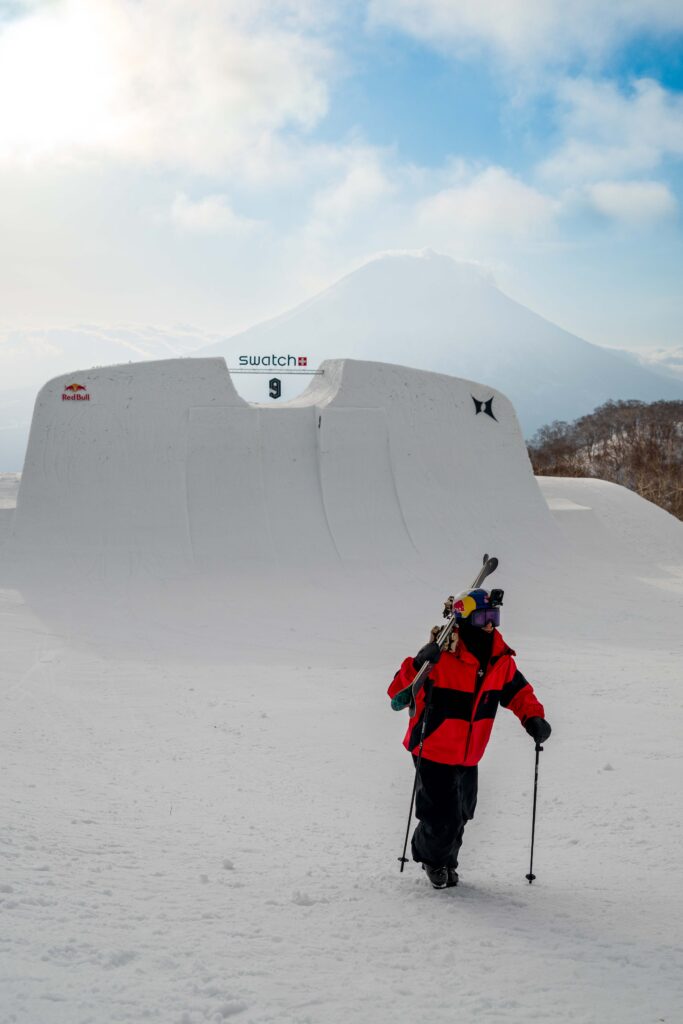
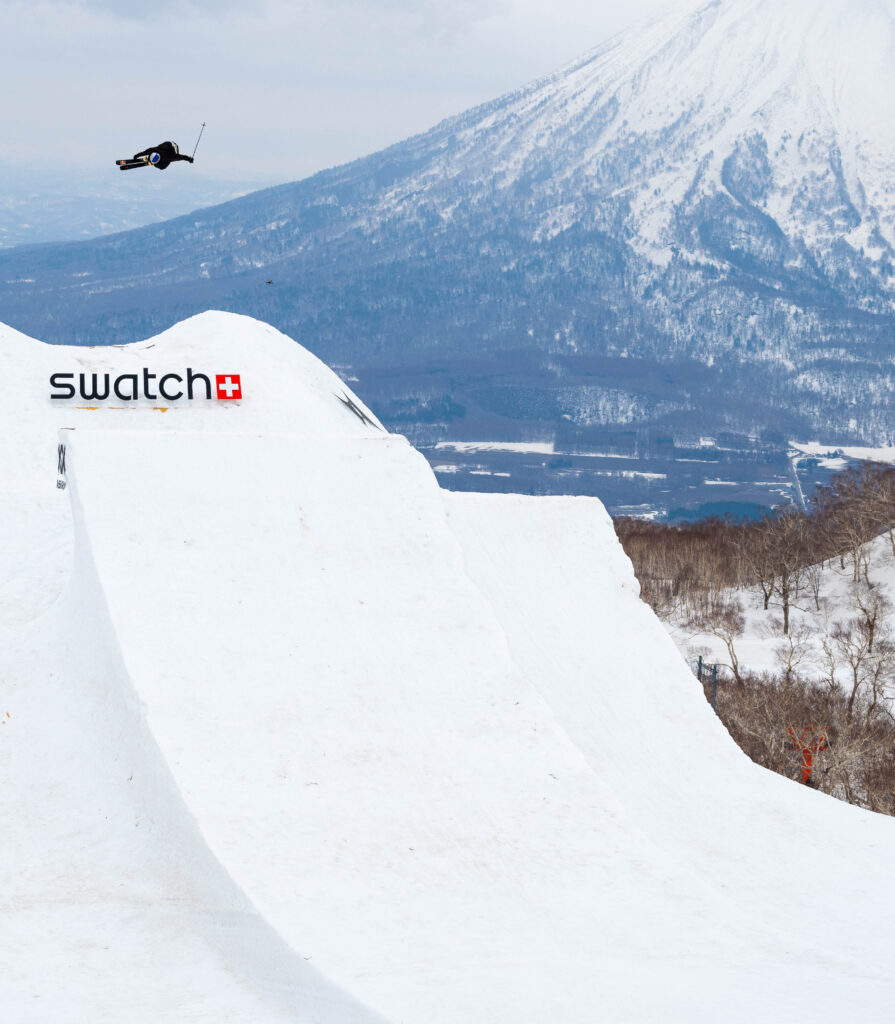

Shot By Chris Dane German
As always, the setup was built with riders in mind. Swatch Nines has long been known for some of the most athlete-friendly course designs in the game, and pairing that philosophy with Niseko’s world-class infrastructure raised the bar even higher.
The only thing that didn’t cooperate was the weather.
Conditions Report
High winds were a daily occurrence, and sticky spring snow made it difficult for riders to carry speed into the big jump or really boost out of the quarterpipe. On several occasions, the park was shrouded in cloud, rendering the course completely unrideable and cutting sessions short.
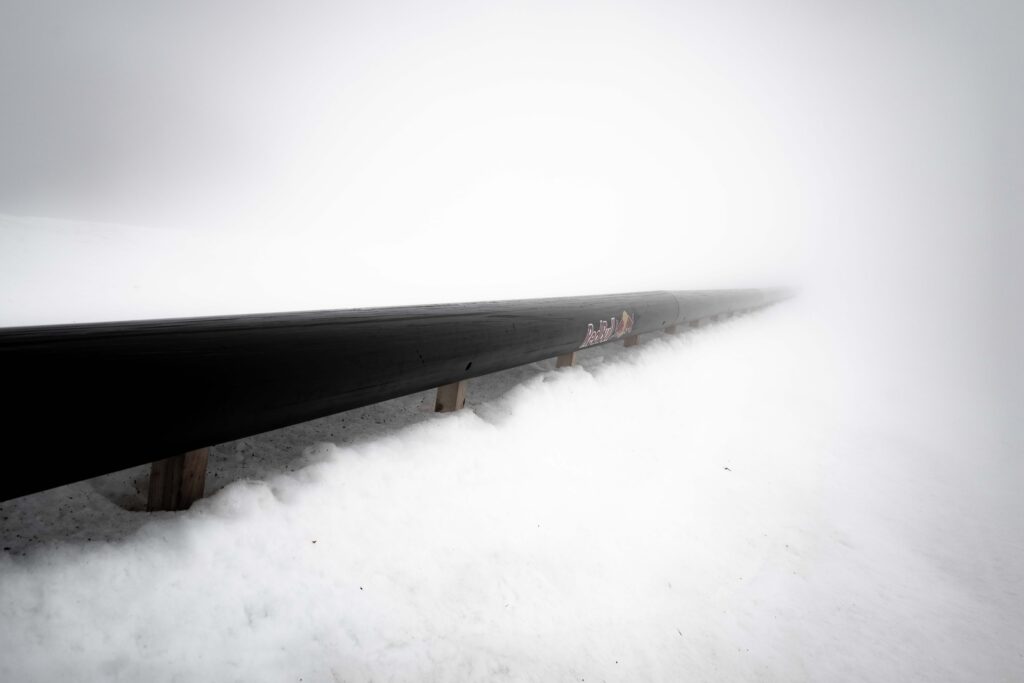
Foggy Finale
The final day of every Nines event is typically reserved for public viewing, a kind of grand finale where fans get to witness the action firsthand. Unfortunately, this year’s closing day brought the worst conditions of the week. The course was completely fogged out, with near-zero visibility and heavy winds making it impossible to ride. In the end, the public day was cancelled.
But in true Nines fashion, the story didn’t end there.

With better visibility lower down the mountain, a handful of pros took laps with local kids who had shown up hoping to catch a glimpse of the action. What could have been a disappointing finish turned into something far more meaningful. Sharing chairlift rides and taking laps with the very athletes they look up to, the kids were absolutely buzzing.
It wasn’t the grand finale anyone had planned but in a way, it captured the spirit of the Nines perfectly. Progression, creativity, and community. Even when the weather doesn’t play ball.
Awards and After Party
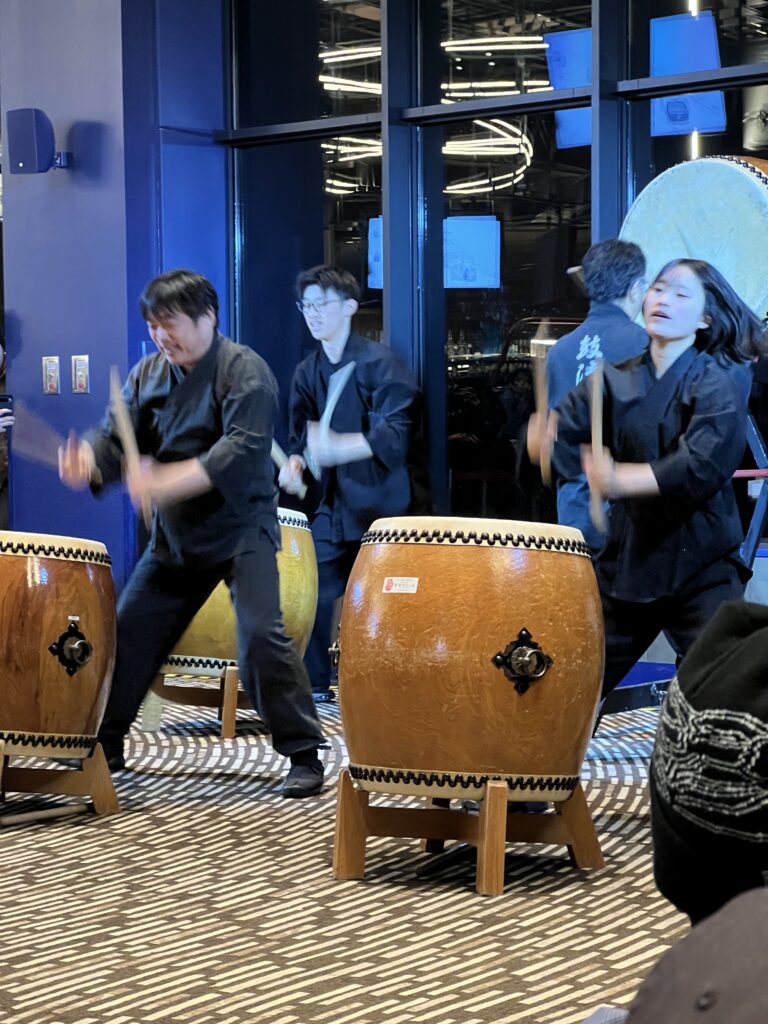
The Nines crew knows how to party, and the Japanese know how to host one. This year’s extracurricular activities were exceptional. The Niseko resort team treated guests to a traditional wadaiko drumming performance. It was extraordinarily powerful. Followed by a tuna cutting show, both showcasing Japanese culture in unforgettable fashion.

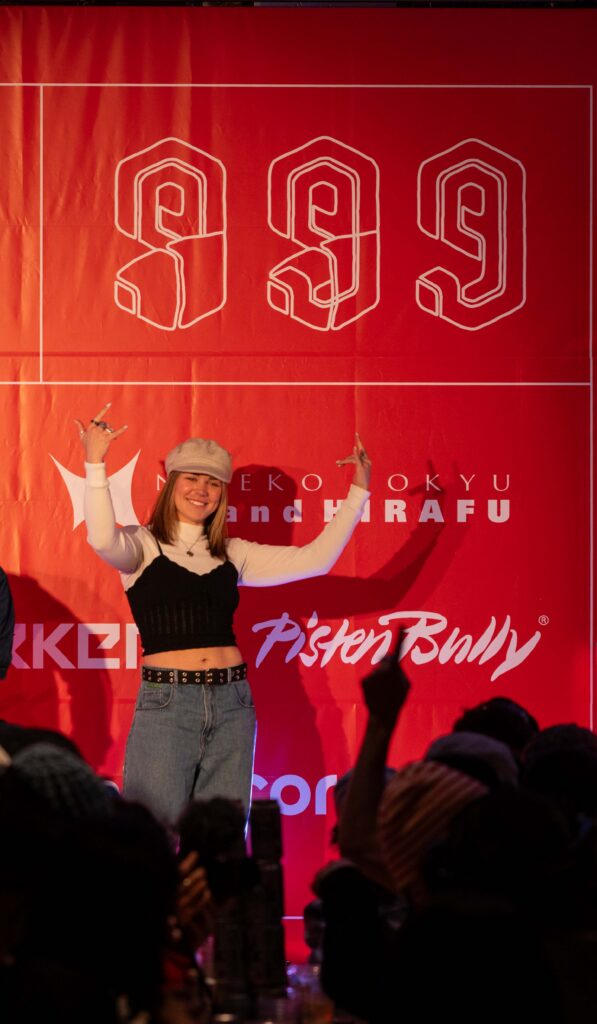
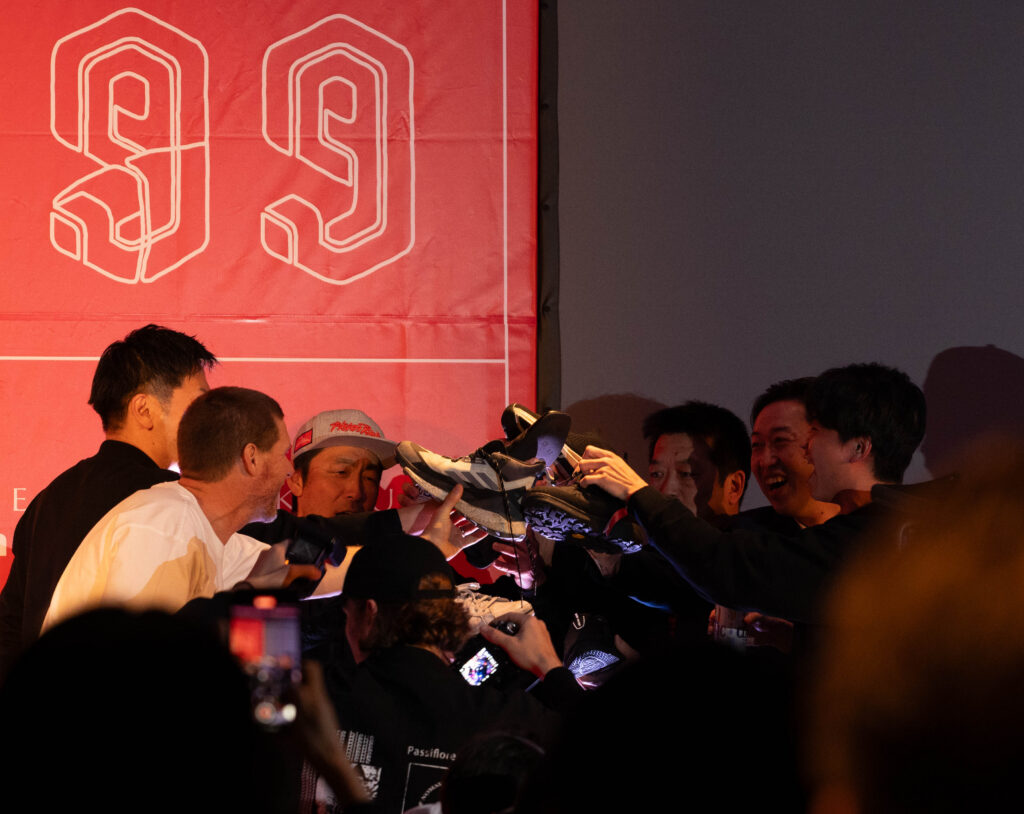
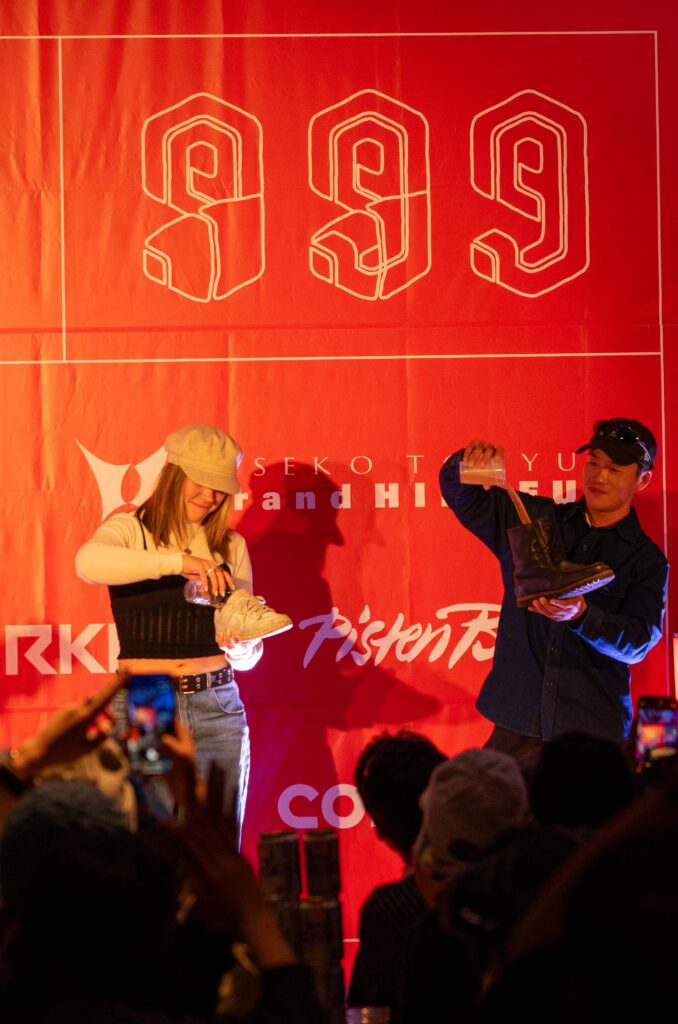
At the awards night, the good times kept rolling. World-renowned Sapporo beer and Japan’s most infamous drink, sake, were flowing, and in true Nines fashion, more than a few beverages were consumed from shoes.
Results
The Nines isn’t a competition, but every year, after all is said and done the athletes all vote for their favourite riders in a variety of categories. Here are the results on the Ski side of the event
Men’s Best trick – Gen Sasaki, local Japanese legend with a triple Backie
Women’s Best trick – Elena Gaskell with a big 1080 mute.