











The International Olympic Committee (IOC) has confirmed that freeride skiing and snowboarding will make their Olympic debut at the 2030 Winter Games in the French Alps, marking one of the biggest milestones in the evolution of the sport.
What started on iconic alpine faces and through grassroots events has grown into a worldwide movement, with the world’s best riders now set to compete for Olympic medals. For a discipline built around creativity, progression, and choosing your own line, the Olympic stage represents a major shift.
From Underground Movement to Olympic Stage
For decades, freeride existed outside the traditional competitive sports world. It was built by skiers and snowboarders pushing boundaries in the mountains, exploring new terrain, and redefining what was possible on snow.
Over time, the discipline developed a structured competitive pathway, from junior events to the Freeride World Tour, creating a platform for athletes to showcase their skills on some of the world’s most challenging terrain.
“It’s a moment of joy for the entire freeride community,” said FIS Freeride World Tour founder and CEO Nicolas Hale-Woods. “My first thoughts go to the riders, from those who first believed in this discipline and helped build it, to the young athletes who can now dream of an Olympic medal.”
Hale-Woods also credited the organizers, partners, athletes, and everyone who helped build freeride over the past three decades.
Why Freeride Belongs at the Olympics
According to FIS President Alexander Ospelt, freeride’s combination of high-level athletic performance, natural mountain terrain, and visual excitement makes it a strong addition to the Olympic programme.
Beyond the spectacle, he highlighted the development of the sport itself, with a pathway now established for athletes to progress from junior competition all the way to the elite level.
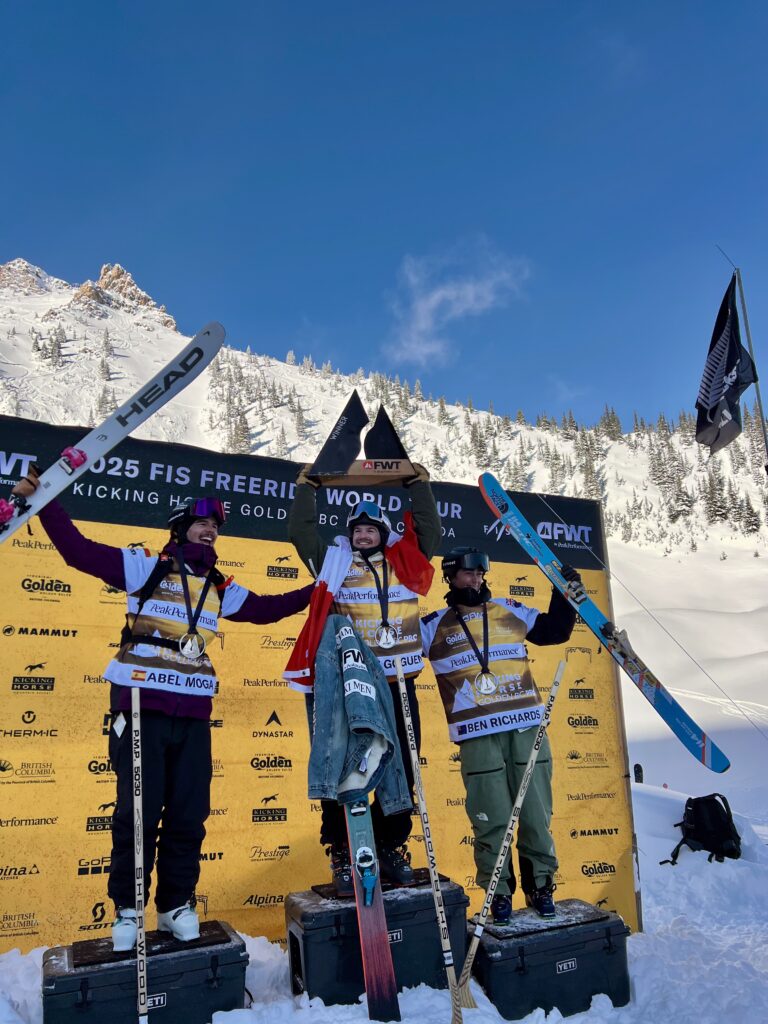
The Biggest Question: Where Does the “Free” Go?
While many riders and fans are celebrating freeride’s Olympic inclusion, the announcement has also sparked a bigger conversation within the community.
Freeride has always represented independence, creativity, and the freedom to choose your own line. Putting the sport into an Olympic structure naturally raises questions: does adding medals, rules, and national teams change what freeride is?
Will future Olympic athletes spend more time training with coaches and structured programmes? Will we eventually see national teams running backcountry sessions focused on line choice, terrain management, and competition strategy?
Those questions don’t have easy answers, and they are part of a conversation that every action sport faces when it enters the Olympic arena.
Can Freeride Keep Its Roots While Going Mainstream?
Snowboarding, freestyle skiing, and skateboarding all faced similar debates when they entered the Olympics. Critics questioned whether bringing these sports onto the world’s biggest sporting stage would change their culture, while supporters saw it as an opportunity to grow the next generation of athletes.
Freeride now faces that same balancing act.
The challenge will be finding a way to celebrate competition without losing the creativity and mountain culture that made the sport unique in the first place.

SBC Skier Team Thoughts
Whether you see Olympic inclusion as the ultimate recognition or a turning point for the sport, one thing is clear: freeride has reached a new level. Would Shane
In 2030, the world’s best skiers and snowboarders will compete for Olympic medals on the same stage as the biggest names in global sport. The Michael Phelpses, the Simone Bilese…es…es?
The question now isn’t whether freeride belongs at the Olympics. It’s what freeride will look like once it gets there.